Somalia is weeks away from a famine that could rival anything the world has seen this decade, and it is barely making a headline. Not because the numbers aren’t staggering. Because the story hasn’t been told the way donors actually respond to.
If your organization serves Muslim communities, whether as a masjid, an Islamic school, or a relief nonprofit, this is the exact kind of crisis your marketing team needs to understand right now. Not the loud disasters. The quiet ones. Because quiet is where campaigns go to die, and it is also where the smartest nonprofits are about to win.
The Numbers Somalia Is Facing Right Now
Here is what is actually happening on the ground as of this month:
Roughly 2.6 million people are at immediate risk from projected flooding tied to an intensifying El Niño pattern. At the same time, close to 30% of the population is facing acute hunger, with 2 million people at risk of slipping into famine. Food prices have surged as much as 70% in the hardest hit areas. Since February, more than 300,000 people have been newly displaced by a combination of drought, conflict, and disease outbreaks.
Humanitarian agencies say they need approximately $852 million to reach 24 million people this year. Funding is currently down 40% from what is needed, one of the steepest shortfalls of any active emergency worldwide.
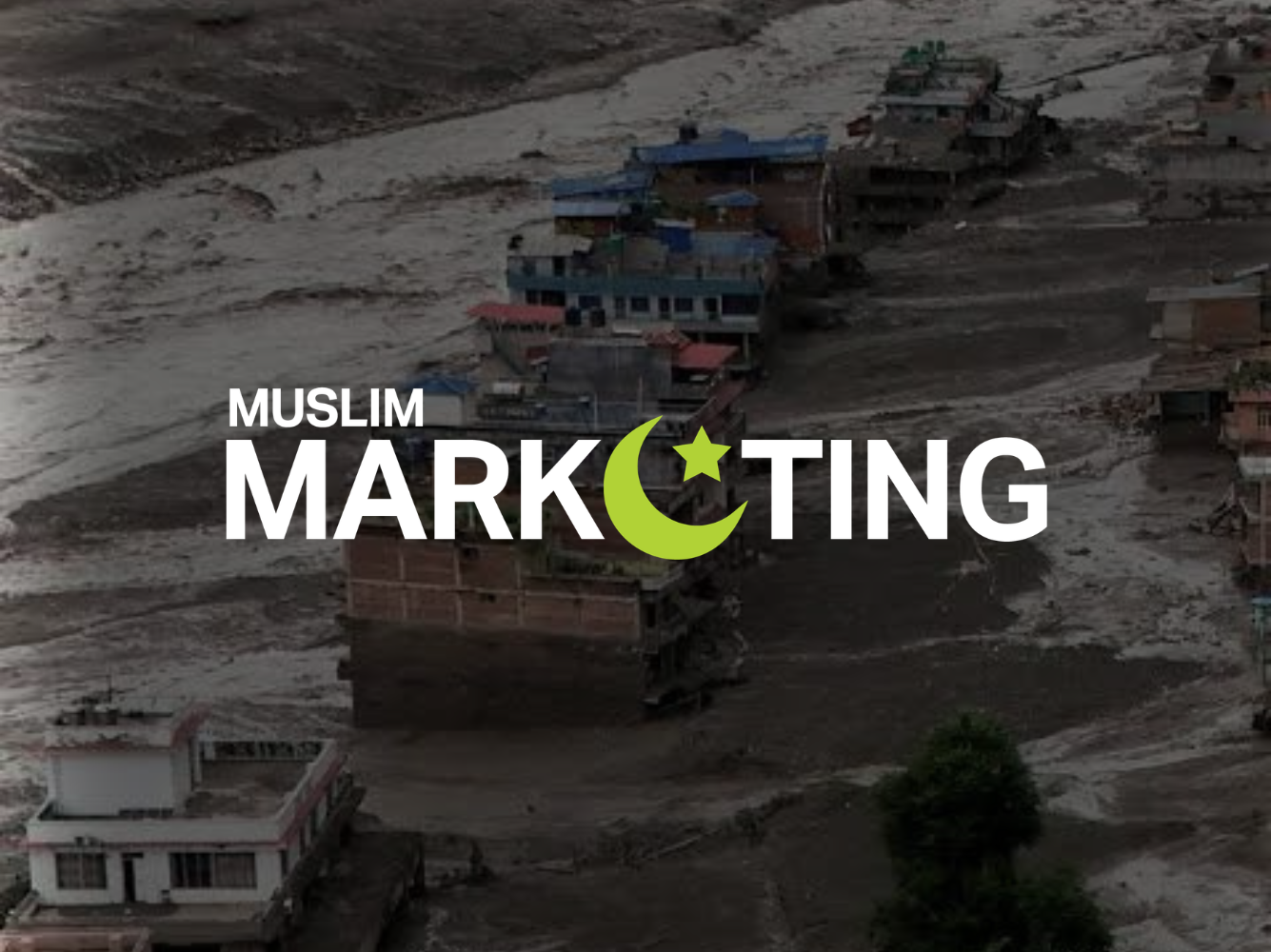
Compare that to the disasters that did dominate headlines this month: a typhoon in Japan, catastrophic flooding in Nepal, an earthquake in Venezuela. All devastating. All covered widely, and all funded faster because of that coverage. Somalia is arguably more urgent by the numbers, and it is the one story donors haven’t heard.
Why a Worse Crisis Can Raise Less Money
This is not random. It has a name in the fundraising world: disaster fatigue, sometimes called compassion collapse. The psychology is well documented. People respond powerfully to a single, specific, visible event. A typhoon making landfall on camera. A flood with a death toll ticking upward in real time. What people do not respond to nearly as strongly is a slow-building emergency with no single dramatic moment, even when the human toll is larger.
Somalia’s crisis is exactly that kind of slow burn. Drought does not make for a dramatic photo the way a flooded street does. Famine risk is a statistic until it isn’t. And statistics, on their own, do not move people to open their wallets.
This is a marketing problem before it is a funding problem. And marketing problems are the ones your organization can actually solve.
The Mistake Most Emergency Appeals Are Making
We wrote recently about how most nonprofit emergency appeals lose the critical first 72 hours after a disaster. Somalia is the opposite challenge. There was no single moment to capitalize on. The crisis crept in over months, which means most organizations either missed their window entirely or are still running the same generic “help those in need” messaging they have used for every appeal for the last three years.
Generic appeals do not work for quiet crises. They barely work for loud ones. Donors have seen “your gift can change a life” a thousand times. It has stopped registering.
What still works is specificity, and it is the one thing most Islamic nonprofits underuse in their fundraising content.
The Playbook for Marketing a Crisis Nobody Is Talking About
Here is what actually moves people to give when the story hasn’t already gone viral on the news:
Lead with one person, not one million. “2.6 million at risk” is true and it is also numbing. “Amina walks four hours for water her children can still get sick from” is a sentence people remember. Use the aggregate stat as backup, not the headline.
Give the number a face and a timeline. Instead of “help Somalia,” try “$45 feeds a family of five for two weeks, starting the day you give.” Specific amount, specific outcome, specific timeframe. This converts far better than an open-ended ask.
Anchor the appeal to a giving moment your audience already understands. If Sadaqah Jariyah, Zakat eligibility, or an upcoming Islamic date is relevant, say so explicitly. Muslim donors give differently when a gift is framed within a religious obligation or a spiritual reward, and that framing costs you nothing to include.
Use your most trusted messenger, not your biggest account. A message from a local imam, a board member, or a community elder outperforms a polished brand post nearly every time for causes like this. Trust closes the gap that headlines would otherwise have closed for you.
Sequence your channels instead of blasting all at once. Email first with the full story, then a short-form video version 24 hours later, then a follow-up SMS with a direct link 48 hours after that. Repetition across formats works. Repetition of the identical post does not.
Show where the money goes, fast. A crisis this underfunded needs radical transparency to compete for attention. A simple graphic showing exactly how a donation is split builds more trust than another paragraph of description.
Follow up with the outcome, not just the receipt. The nonprofits that raise the most on the next appeal are the ones who showed donors, in a real update, what the last gift actually did. This is the step almost everyone skips, and it is the one that builds a donor for the next crisis instead of just this one.
Quiet Crises Are Where Smart Nonprofits Win
The organizations that will raise real money for Somalia in the next 30 days will not be the ones who post the biggest number. They will be the ones who tell the smallest, most specific, most human story, and back it with a clear, urgent, well-timed ask.
That is not luck. That is a campaign built with intention, and it is exactly the kind of work we do for Islamic nonprofits, masjids, and relief organizations every day.
If your team is sitting on an appeal that deserves better than a generic post and a hope, let’s fix that before the next news cycle buries this story entirely. Book a discovery call with Sunan Designs and we will build the campaign that actually gets seen.